Welcome to The Agent Roundup | | This week’s topics: | Alibaba’s Qwen3 leads open-source rankings Alibaba releases coding agent Qwen3-Coder Gemini 2.5 Flash-Lite for near instant generations Pros and cons of open-source AI Plus AI investments, trending AI tools, community highlights, and more
|
|
| | 💥 Breakthroughs | Alibaba Updates Open-Source Qwen3 | 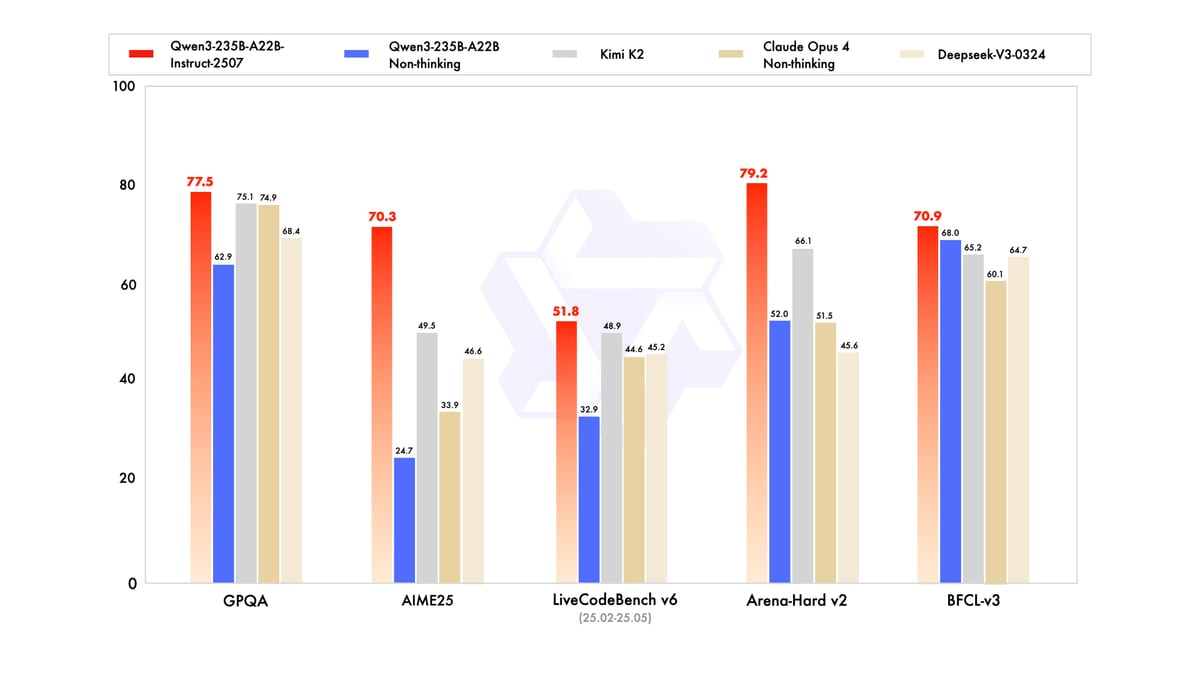 | Source: Alibaba |
| Qwen3-235B-A22B-Instruct-2507 offers enhanced instruction following and better user preference alignment. | It comes with a 256K-token context. | Alibaba also released Qwen-MT Turbo: | Customizable translation with terminology control and domain prompts. | 92-language support. | Cost-efficient ($0.5M tokens) MoE architecture for low-latency applications. |
| Alibaba Released Qwen3-Coder CLI | 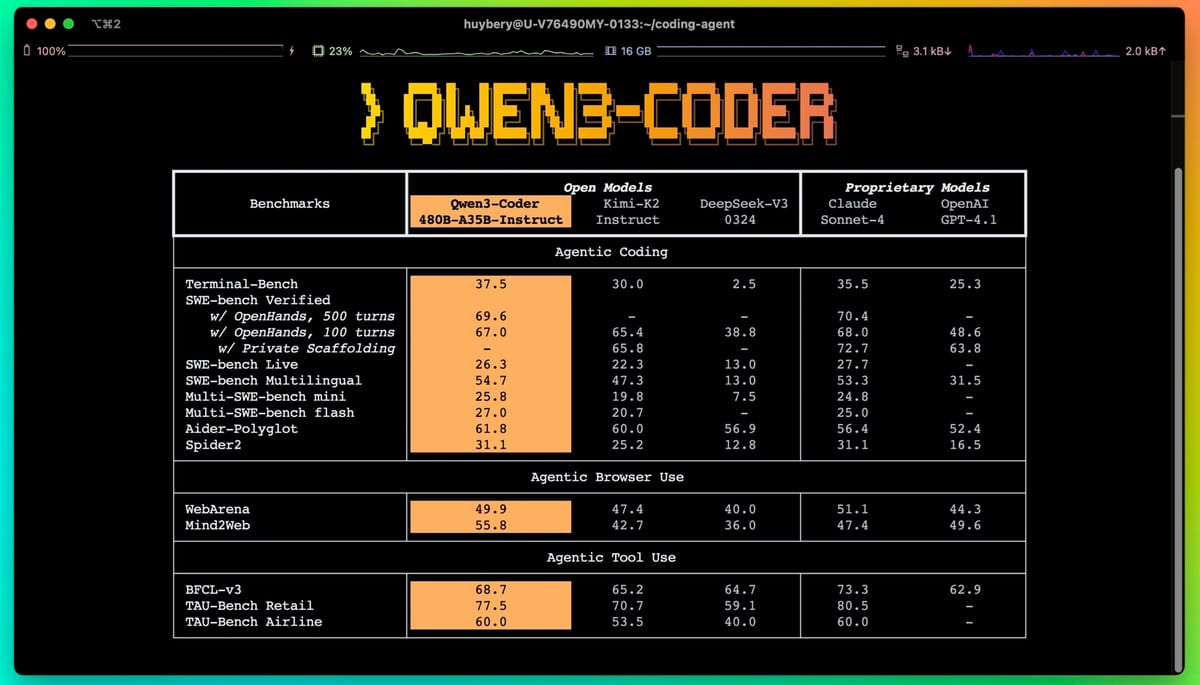 | Source: Alibaba |
| Qwen3-Coder-480B-A35B-Instruct is a 480B-parameter Mixture-of-Experts model with 35B active params. | Supports 256K tokens natively, 1M with extrapolation. | State-of-the-art in Agentic Coding, Browser-Use, Tool-Use. | Works with Qwen Code CLI and Claude Code. | API Access: Available through Alibaba Cloud Model Studio or OpenRouter.ai. |
| Google Made Gemini 2.5 Flash-Lite Stable | 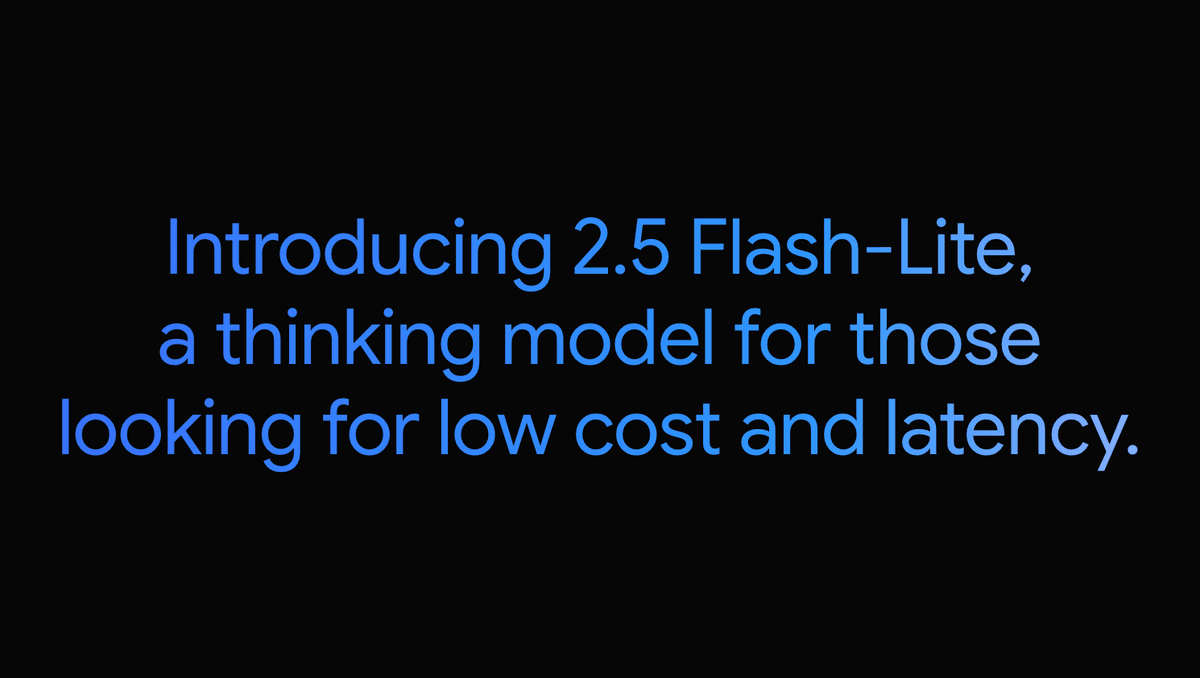 | Source: Google |
| Gemini 2.5 Flash-Lite is optimized for high-volume, low-latency tasks like translation and classification. | It enables dynamic real-time applications, e.g., live translation services, real-time analytics dashboards, or AI-assisted code generation and debugging. | It’s cost-efficient, can use tools and thinking. | Deployment ready: General availability across Google AI Studio, Gemini API, and Vertex AI. |
|
| | 📈 Investments | 🇺🇸 Amazon is set to acquire Bee, the creator of a $49.99 AI bracelet that records conversations for reminders. The deal includes a $19/month subscription and an Apple Watch app. | 🇺🇸 Perplexity AI is in talks with smartphone manufacturers to pre-install its Comet browser, leveraging the "stickiness" of default browsers to boost AI search adoption. | 🇺🇸 xAI aims to secure the AI compute equivalent of 50 million Nvidia H100 GPUs by 2030, showcasing its aggressive expansion plans. | 🇺🇸 Alphabet reported record Q2 sales of $96.4 billion, up 14% YoY, and increased its 2025 capital spending plan by 13% to $85 billion. | 🇺🇸 The Trump administration released a comprehensive AI Action Plan with over 90 policy actions to accelerate U.S. leadership in AI. Key initiatives include building new data centers, removing legal barriers, promoting open-source AI, and ensuring "objective" AI systems. | 🇨🇳 China unveiled its AI action plan at the World Artificial Intelligence Conference, emphasizing international cooperation, open-source development, and AI literacy training, particularly for developing nations. | | Create How-to Videos in Seconds with AI | | Stop wasting time on repetitive explanations. Guidde’s AI creates stunning video guides in seconds—11x faster. | Turn boring docs into visual masterpieces Save hours with AI-powered automation Share or embed your guide anywhere
| How it works: Click capture on the browser extension, and Guidde auto-generates step-by-step video guides with visuals, voiceover, and a call to action. | Best part? It’s 100% free. | 👉 Download the extension now |
|
| | | Real-Talk About Open Source AI: A Guide for AI Agents |
| | |
| 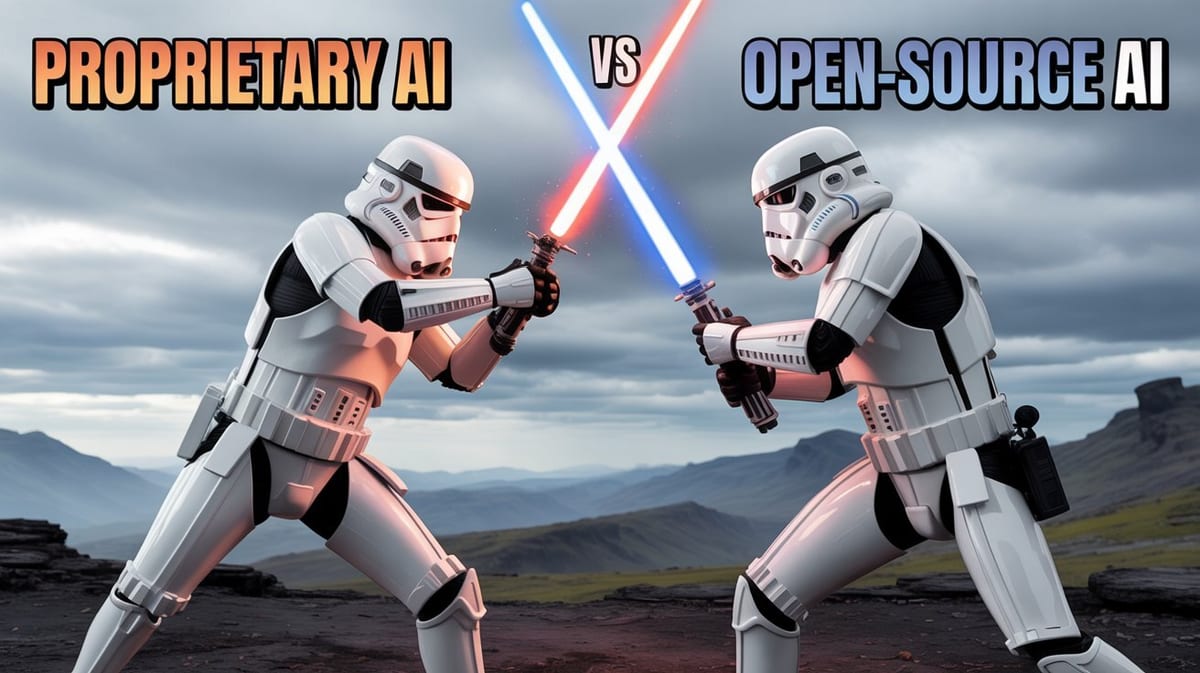 | Source: Agent Roundup via Ideogram |
| After building several production applications with open-source AI models, I've compiled insights on when to opt for open-source versus proprietary solutions. This guide will help you make informed decisions about your AI strategy, particularly for AI agents. | When Open Source Shines | 🔐 Data Sovereignty | One of the most compelling reasons to choose open-source AI is the ability to maintain complete control over your algorithms, data handling, and ethical standards. Unlike proprietary models, open-source solutions don't operate as black boxes, allowing you to fully understand and manage the underlying processes. | ⚙️ Ultimate Customization | Open-source AI enables you to build systems that are precisely tailored to your requirements. This flexibility is invaluable when you need to implement unique features or adapt to specific business needs. | 💰 Cost Control | While there are upfront costs associated with setting up and maintaining open-source infrastructure, you can potentially reduce long-term expenses by leveraging your existing hardware infrastructure. This can be particularly beneficial for organizations with robust IT resources. | 🔓 Zero Vendor Lock-In | With open-source AI, you retain autonomy over your roadmap, timeline, and decision-making process. There's no dependency on third-party vendors, which means you can pivot quickly in response to market changes or technological advancements. | 📱 Edge Computing | Open-source AI models can be deployed directly on devices without relying on internet connectivity. This capability is crucial for applications that require real-time processing or operate in environments with limited network access. | 🛡️ Stability | Unlike proprietary solutions, which may introduce breaking changes through API updates, open-source models allow you to maintain stability by controlling the versioning and updates of your software. | The Real Challenges | 🏗️ Infrastructure Complexity | Self-hosting and managing servers can be challenging, especially for organizations without dedicated IT teams. Setting up and maintaining open-source infrastructure requires significant technical expertise. | 🔒 Security Responsibility | When using open-source AI, you assume full responsibility for the security stack. Recent incidents, such as the Firebase data leak affecting the Tea app, underscore the importance of robust security practices. | 🆘 Lack of Support | Community support can be inconsistent, particularly during critical times like midnight when your production system is down. While there's a vibrant community around open-source projects, relying solely on community support can be risky. | 📱 Hardware Limitations | Currently, only smaller models can run efficiently on consumer devices. Larger, more complex models typically require more powerful hardware, which can limit the scope of what's feasible for edge computing. | 💸 Hidden Operational Costs | Despite potential cost savings, there are hidden operational costs associated with deployment, maintenance, and ongoing support. These costs can accumulate over time, impacting your bottom line. | When Should You Use Open-Source? | There's no one-size-fits-all answer. The choice between open-source and proprietary solutions depends on various factors, including data sensitivity, technical capabilities, budget constraints, and use case requirements. Here's a rule of thumb: | Consider Open Source When You Have: | Sensitive Data Requiring Full Control: If your application handles sensitive information, open-source AI provides the assurance you need to maintain strict data sovereignty. | Unique Feature Requirements: When you need custom features that aren't available in proprietary solutions, open-source AI offers the flexibility to build exactly what you need. | Strong Technical Infrastructure Team: Organizations with robust IT teams can effectively manage the complexities of self-hosting open-source solutions. | Long-Term Cost Optimization Goals: If minimizing long-term expenses is a priority, open-source AI can help achieve cost efficiency. | Need for Edge/Offline Capabilities: Applications that require real-time processing or operate without internet access benefit from open-source AI's edge computing capabilities. | Consider Proprietary When You Need: | Rapid Development Cycles: Proprietary solutions often come with pre-built components and frameworks that accelerate development. | Enterprise-Grade Support: For organizations that require reliable, round-the-clock support, proprietary solutions offer dedicated support channels. | Limited Technical Resources: If your organization lacks the technical expertise to manage open-source infrastructure, proprietary solutions may be more suitable. | Proven Scalability Patterns: Proprietary solutions are often designed with scalability in mind, making them ideal for applications that need to handle large volumes of data or users. |
|
| | 🖼️ Google Photos AI Features | Google Photos introduces two AI-powered tools: one turns single images into six-second videos using the Veo 2 model, and another transforms photos into anime, comic, and 3D sketch styles. | 📼 YouTube AI Tools for Shorts Creators | YouTube has launched AI tools for Shorts creators, including photo-to-video capabilities and quick transformations via Effects, both driven by the Veo 2 model. | ⛔️ Proton Lumo AI Chatbot | Proton's Lumo is an AI chatbot that keeps no logs, encrypts chats end-to-end, and offers a ghost mode for deleting conversations. It runs on open-source models in Proton’s European data centers and is accessible on web, iOS, and Android without requiring an account. | Figma Make | Figma has announced the general availability of Figma Make, a prompt-to-code tool that lets users convert designs into interactive prototypes effortlessly. |
|
| |  | This NEW Google AI Runs on Your Phone (No Internet Required) – Full Gemma 3N Vibe Coding Build |
|
|
|
| | Blog: In-depth articles on AI workflows and practical strategies for growth
AI Tool Collection: Discover and compare validated AI solutions
Consultancy: Explore AI potential or make your team AI-fit
Agency: Production-ready AI implementation services |
|
| | | |
|